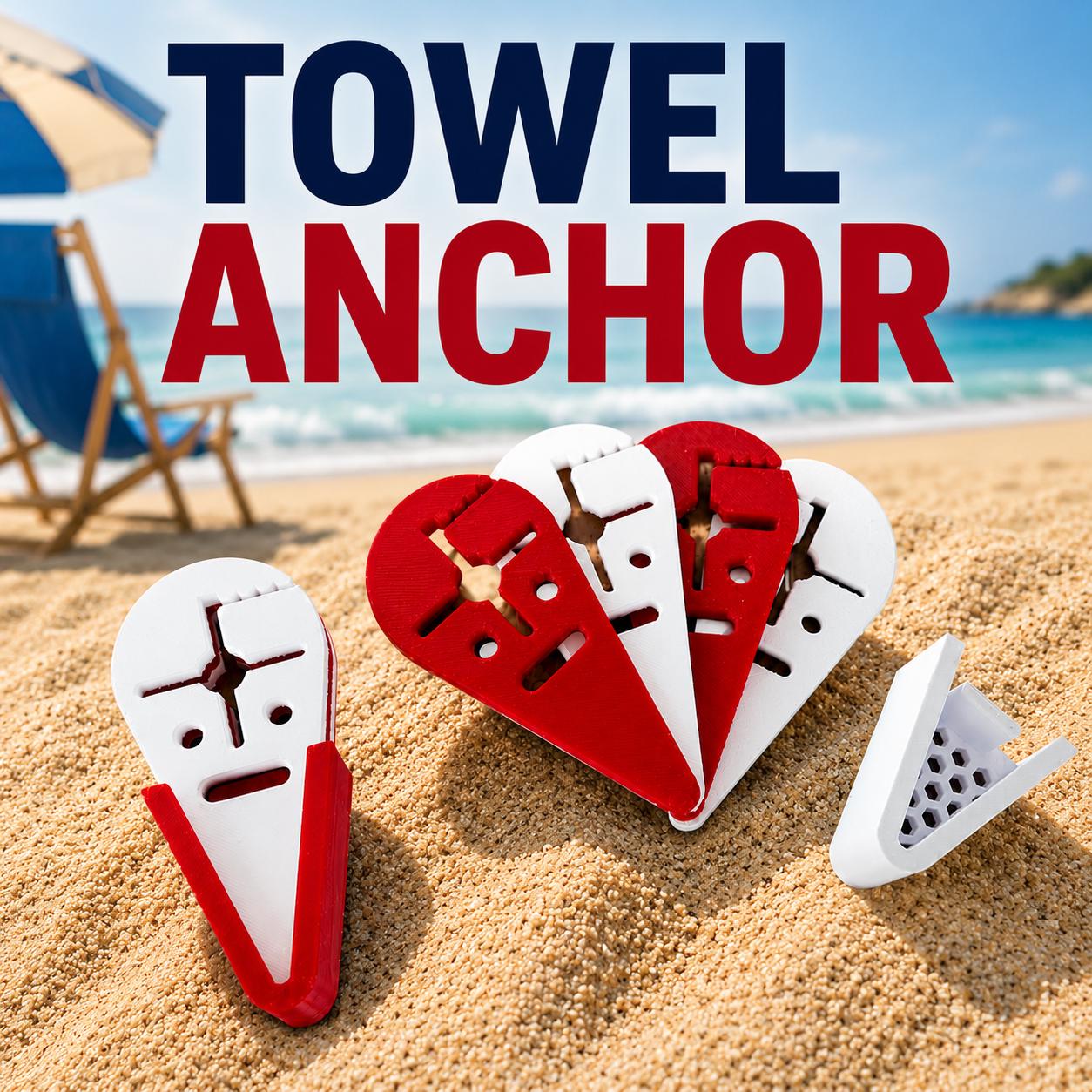
Beach Towel Anchors Set of 4 Windproof Sand Holders
$12.99 · as of Aug 28, 2026
Port days are the highlight. Make sure your gear is ready for beaches, snorkeling, zip-lining, and everything in between.
This page may contain affiliate links. If you purchase through these links, we may earn a small commission at no extra cost to you. Learn more.
$12.99 · as of Aug 28, 2026
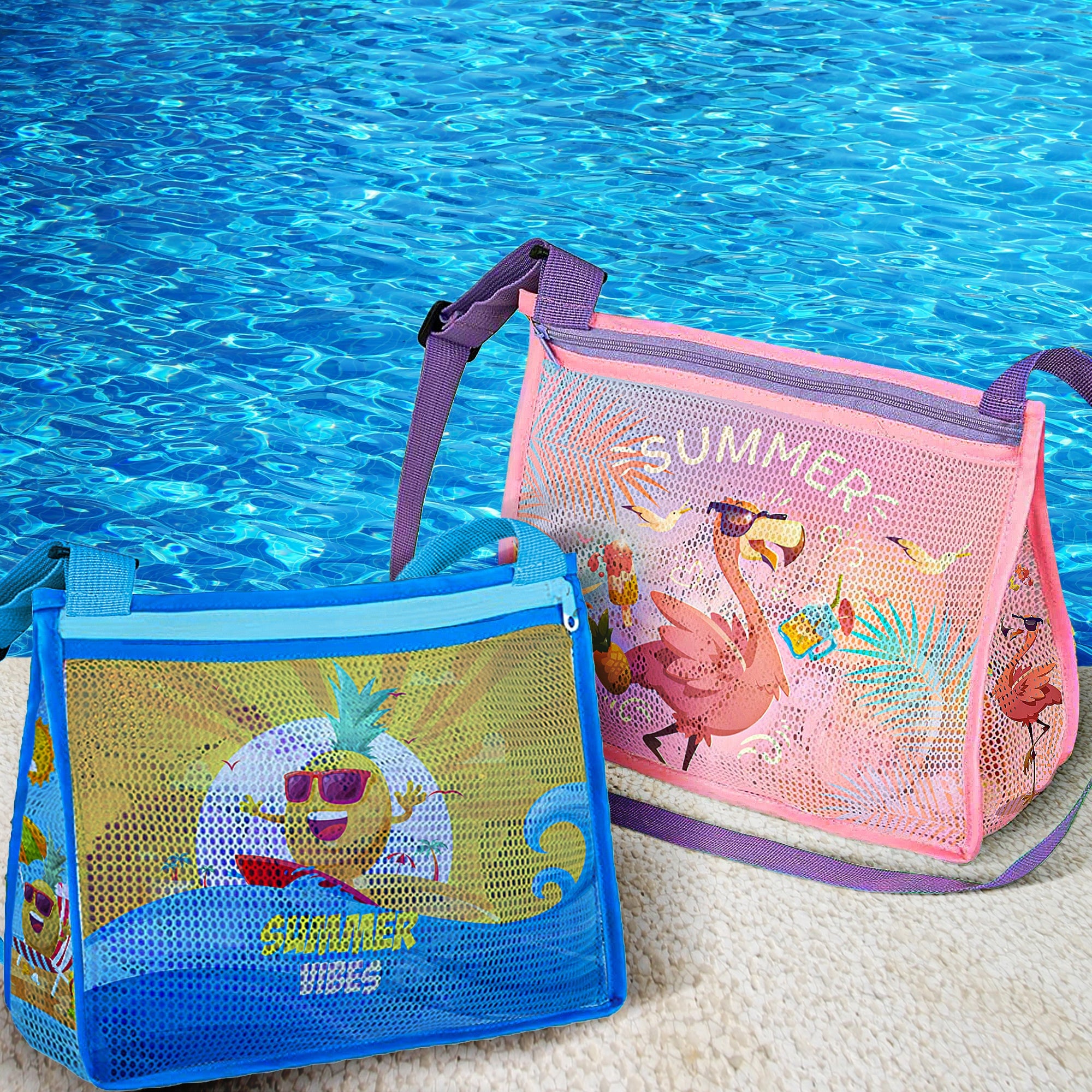
$12.99 · as of Sep 2, 2026
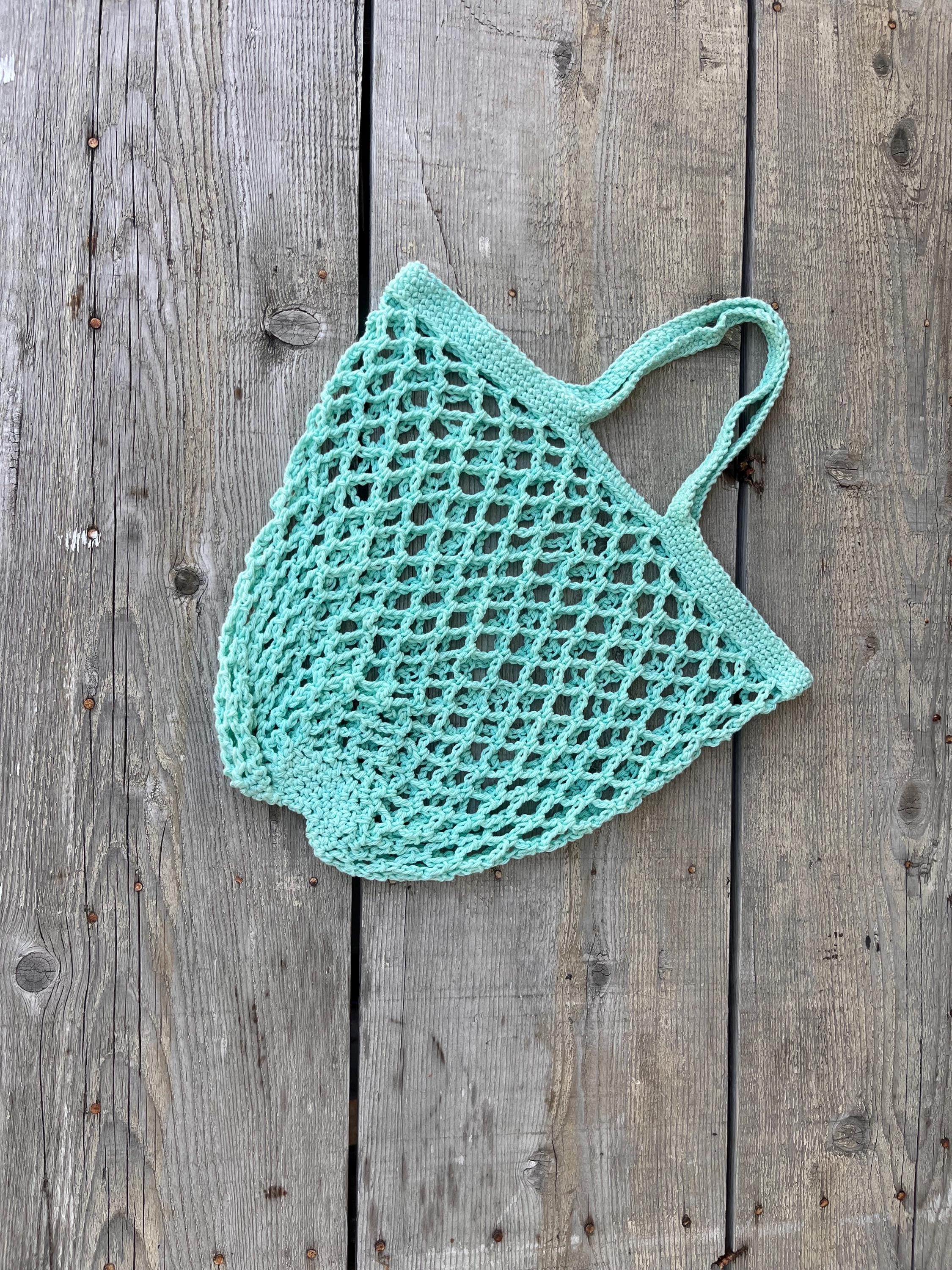
$15.30 · as of Sep 3, 2026
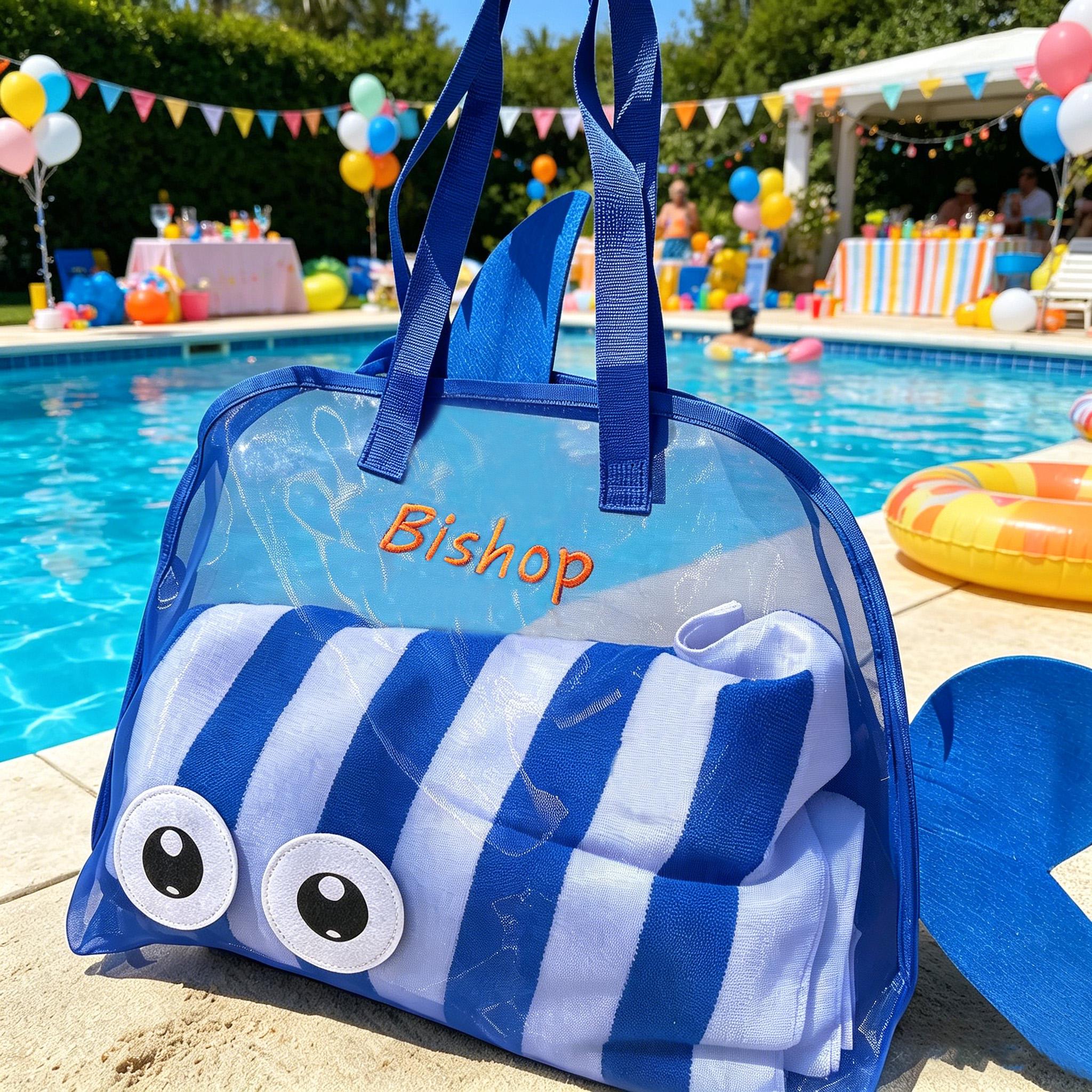
$8.74 · as of Sep 1, 2026
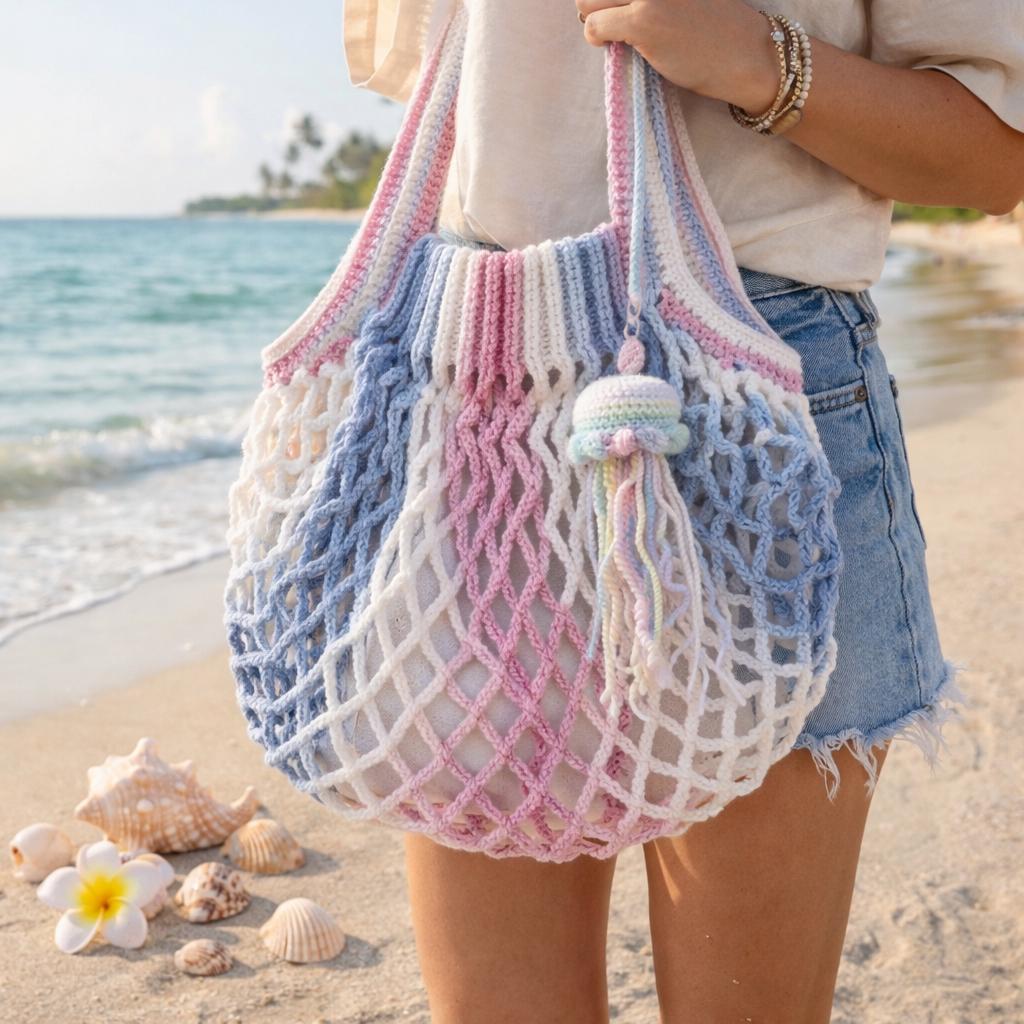
$31.80 · as of Sep 2, 2026
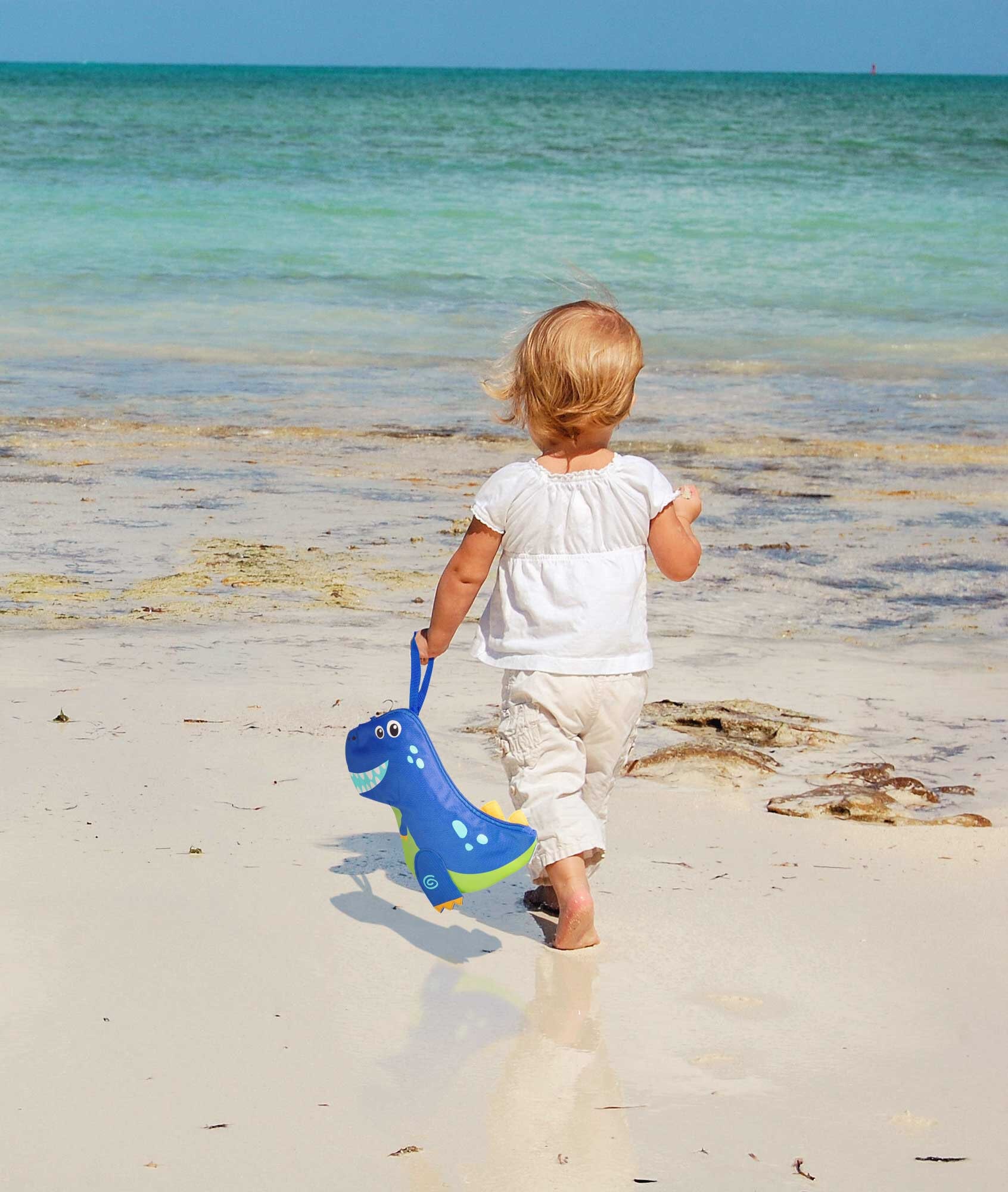
$18.00 · as of Aug 28, 2026
The non-negotiables from our port-day checklist.
$18.00 · as of Aug 28, 2026
$12.99 · as of Sep 2, 2026
There's a particular thrill when you wake up and the ship is already docked in a turquoise harbor you've only seen in photos. Port days are the highlight of any cruise. But they come with a rhythm all their own, and the difference between an incredible shore day and a frustrating one usually comes down to what you packed in your day bag.
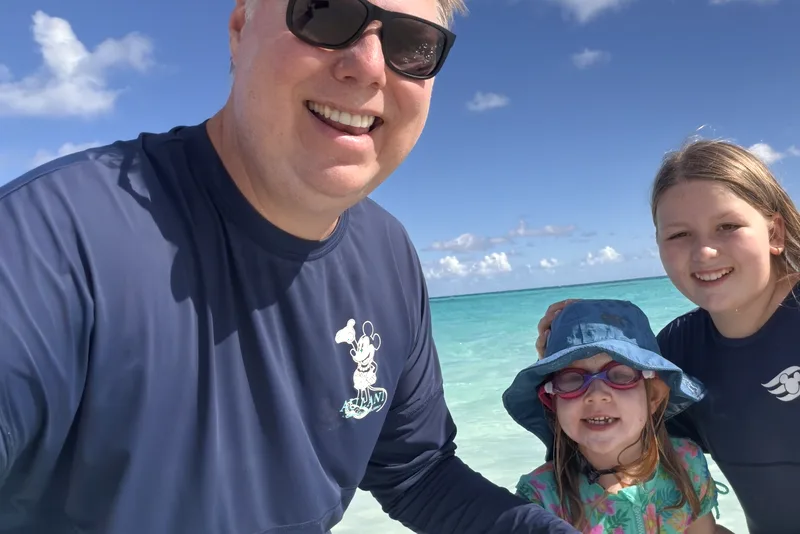
Nobody tells you before your first cruise: port days are a sprint, not a marathon. Ships arrive early — sometimes at 7 AM — and you have a hard departure time the ship will not bend for you. Miss the boat, and you're booking your own flight to the next port. Some ports let you walk right off onto a dock. Others require tendering — small boats ferrying you to shore, adding 20 to 45 minutes each way. Your time ashore is precious and limited.
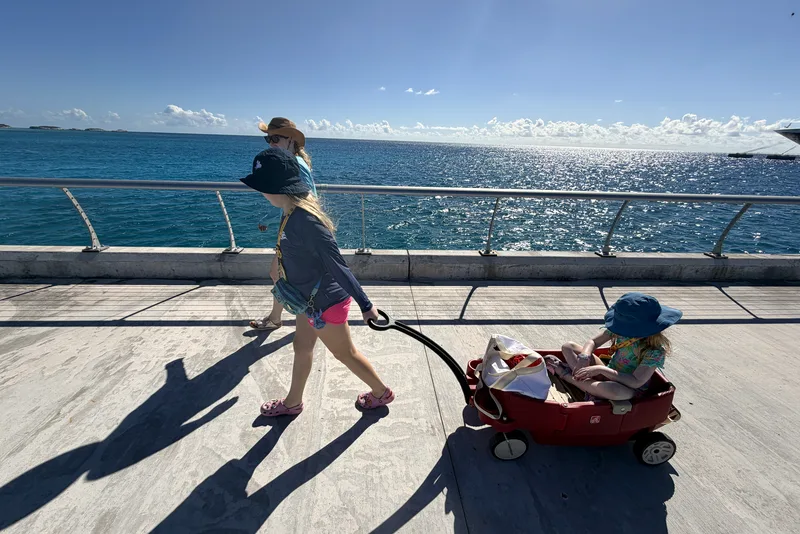
Before specialized gear, here's what goes in your bag every single time you step off the ship:
If your excursion involves water — and in the Caribbean, it almost always does — a proper roll-top dry bag protects your phone, wallet, passport, and electronics from splashes, rain, sand, and submersion. They range from 2 liters (just valuables) to 20 liters (a full day pack), and the good ones float. For beach excursions, catamaran trips, snorkeling, or walking through a port town where afternoon rain is guaranteed, a dry bag is cheap insurance.
If you cruise regularly, buying your own mask and snorkel pays for itself immediately. Rental gear is often cloudy, ill-fitting, and shared among hundreds of tourists. A quality mask that fits your face without leaking transforms the experience. A decent set runs $30–$60, less than two rental fees. Pack it in checked luggage on the way down and in your day bag on port days.
Rocky beaches, coral fragments, sea urchins, and algae-covered boat ramps are all waiting to ruin your day without proper footwear. Water shoes with a hard sole and drainage holes handle it all — rocky shores, reef areas, waterfall hikes, river tubing. A $15–$25 pair from any retailer lasts several cruises.
Your phone does heavy lifting on port days: GPS, hundreds of photos, translation apps, messaging, restaurant reviews. Most phones won't survive a full day of screen-on use. A 10,000 mAh battery pack gives you one to two full charges. Toss it in your bag and forget it until you need it — probably around the time you're navigating back to the pier.
Soak it, wring it, snap it — drops 15–20 degrees below ambient temperature. Walking through Cozumel in July or hiking Dunn's River Falls, the difference is dramatic. Lightweight, reusable all day, under $10. Experienced cruisers swear by them. Be the person who brought extras for the group.
A collapsible silicone bottle takes up no space empty and gives you water without buying plastic at every stop. An insulated tumbler keeps ice intact for hours in 95-degree heat. Some cruisers bring both: collapsible for active excursions, tumbler for beach days.
This isn't a lifestyle preference — it's increasingly the law. Hawaii, the U.S. Virgin Islands, Key West, Bonaire, Aruba, Palau, and a growing list of destinations have banned sunscreens containing oxybenzone and octinoxate. These chemicals cause coral bleaching and damage the reefs you're paying to snorkel over. Reef-safe mineral sunscreens use zinc oxide or titanium dioxide and work just as well. The old white-cast problem is largely solved with newer brands. Spend a few extra dollars here — cheap mineral sunscreen is chalky and hard to spread.
Swim trunks that look like regular shorts let you go from beach to restaurant without changing. Rash guards transition from snorkeling to town. Fabrics that dry in 30 minutes mean you're not sitting wet on the tender back. Look for anything labeled quick-dry, moisture-wicking, or UPF-rated.
A well-packed port bag costs under $100 total and transforms every shore day from a logistics headache into the adventure you booked the cruise for.
Some items are not linked yet; links appear only after our trust check.