
Water, Sun and Love Cruise Door Magnet
$9.88 · as of Sep 3, 2026
The stateroom doors are magnetic, and nobody leaves theirs bare. Here's the best of Etsy.
This page may contain affiliate links. If you purchase through these links, we may earn a small commission at no extra cost to you. Learn more.
$9.88 · as of Sep 3, 2026
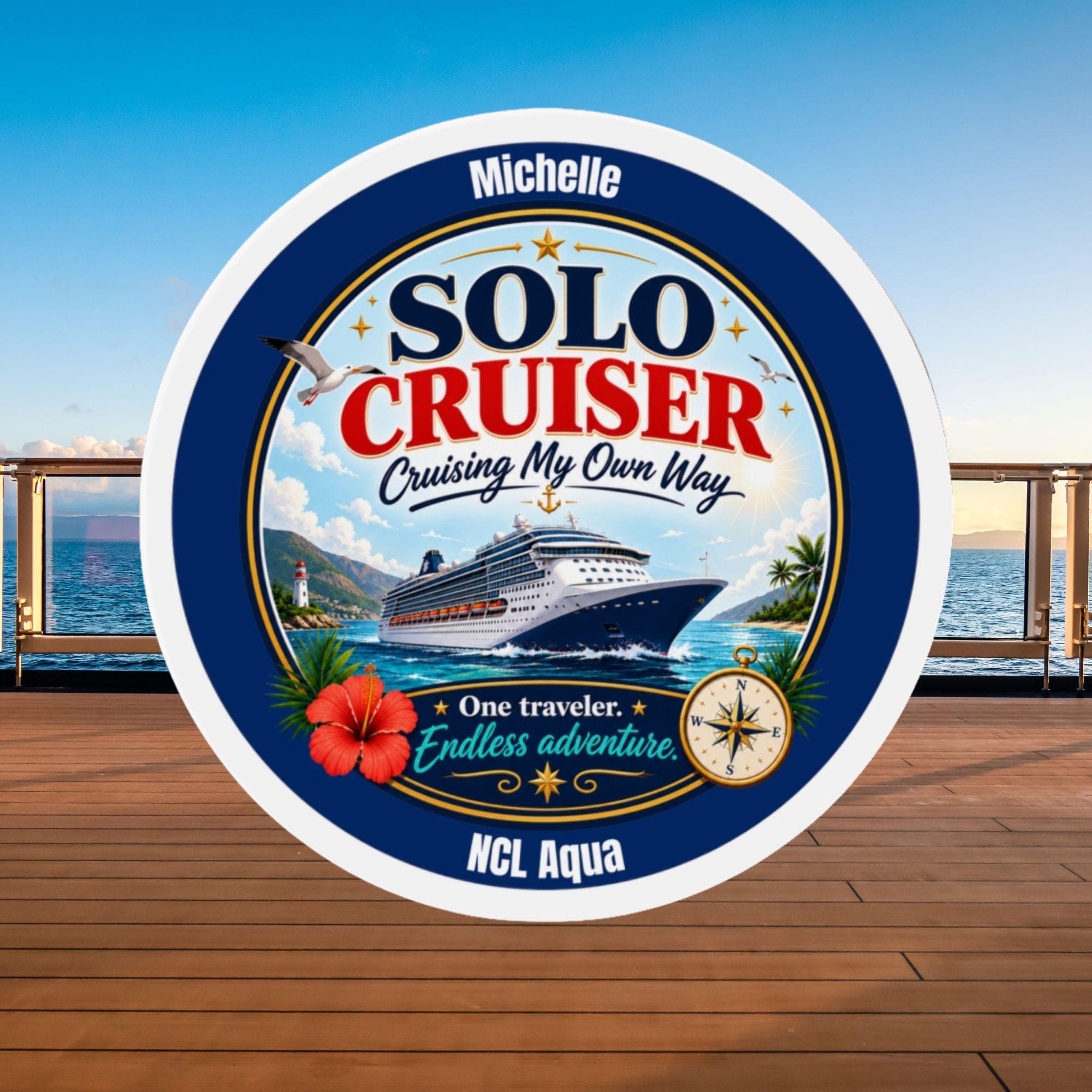
$10.57 · as of Sep 3, 2026
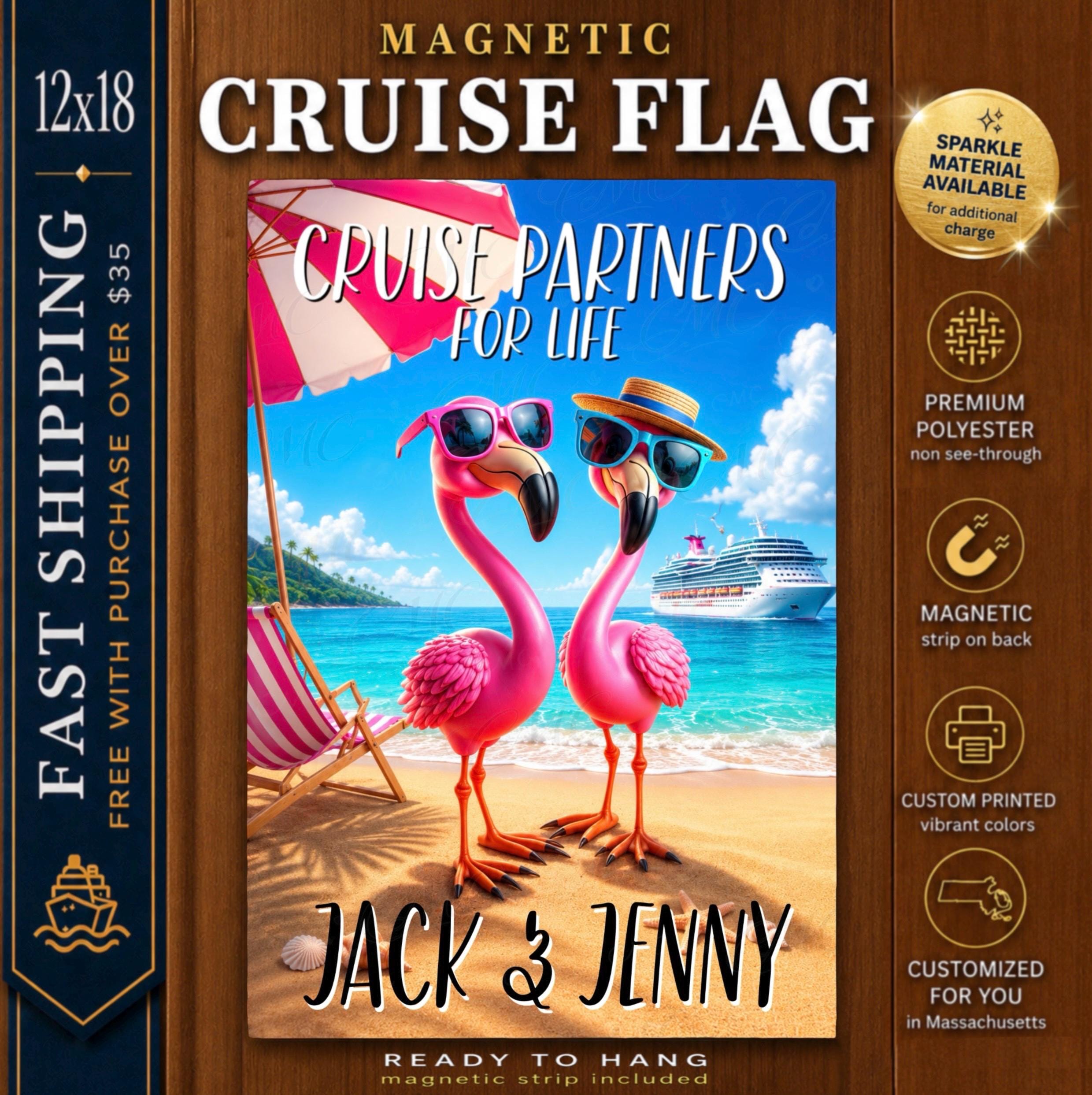
$16.41 · as of Sep 2, 2026
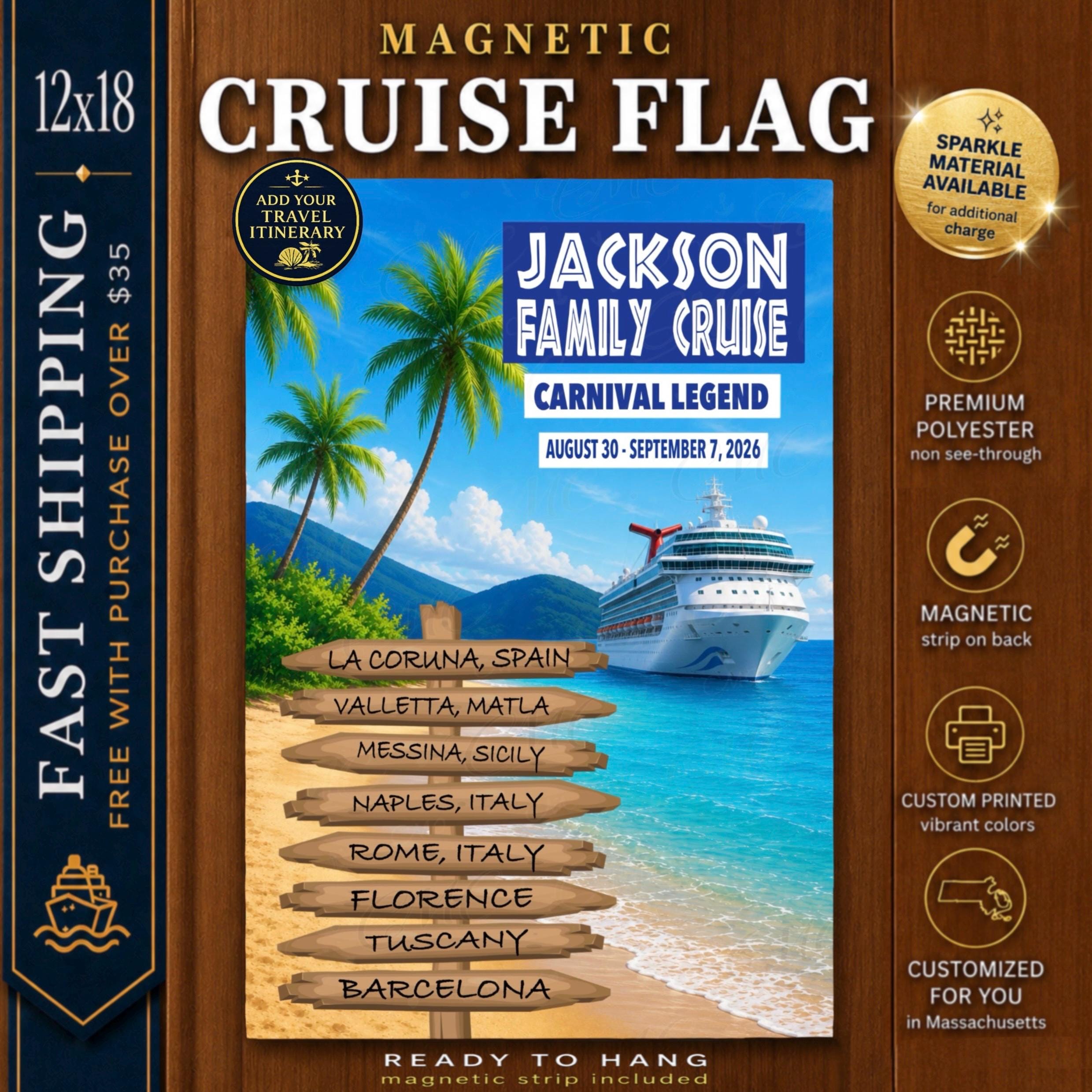
$16.41 · as of Sep 2, 2026
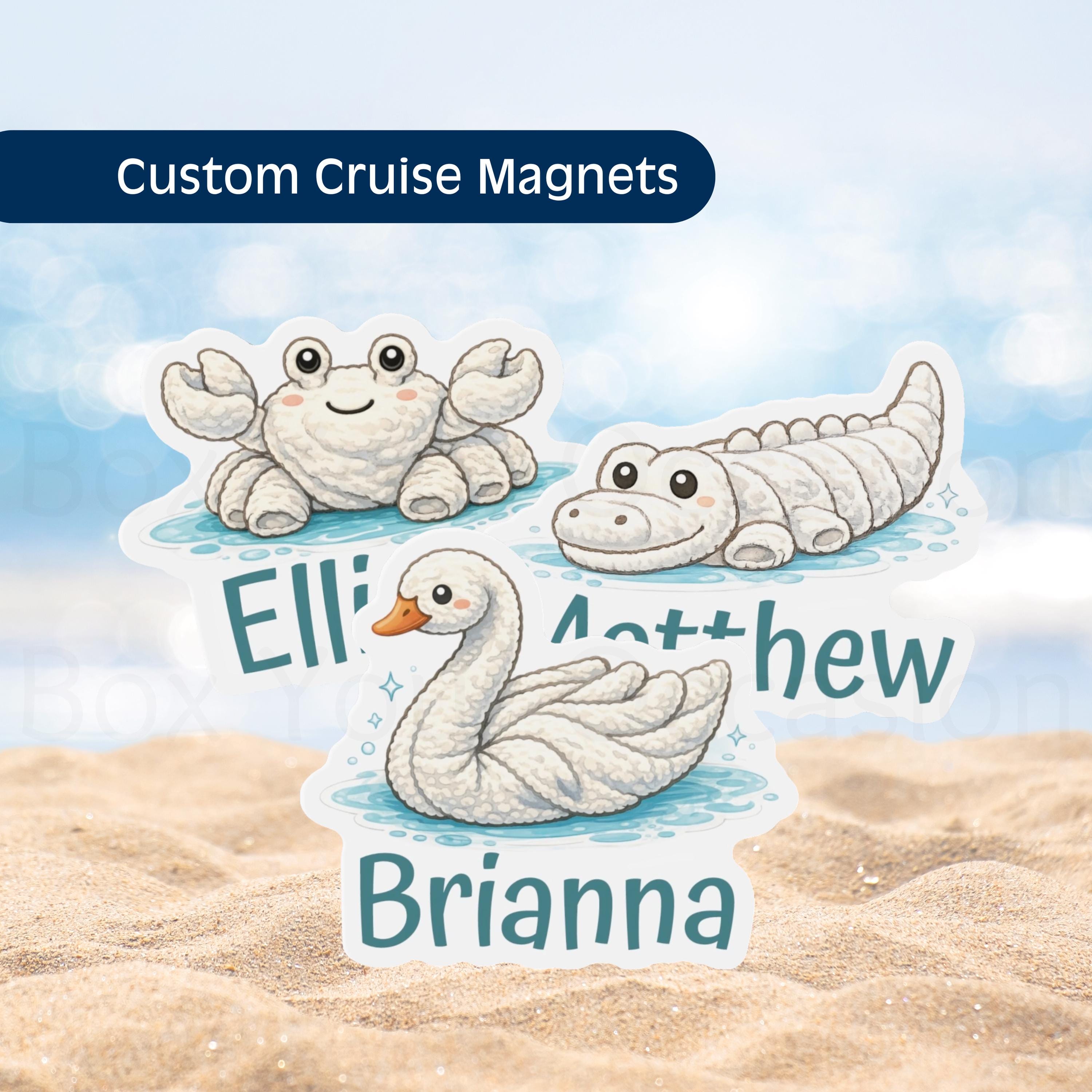
$8.24 · as of Sep 3, 2026
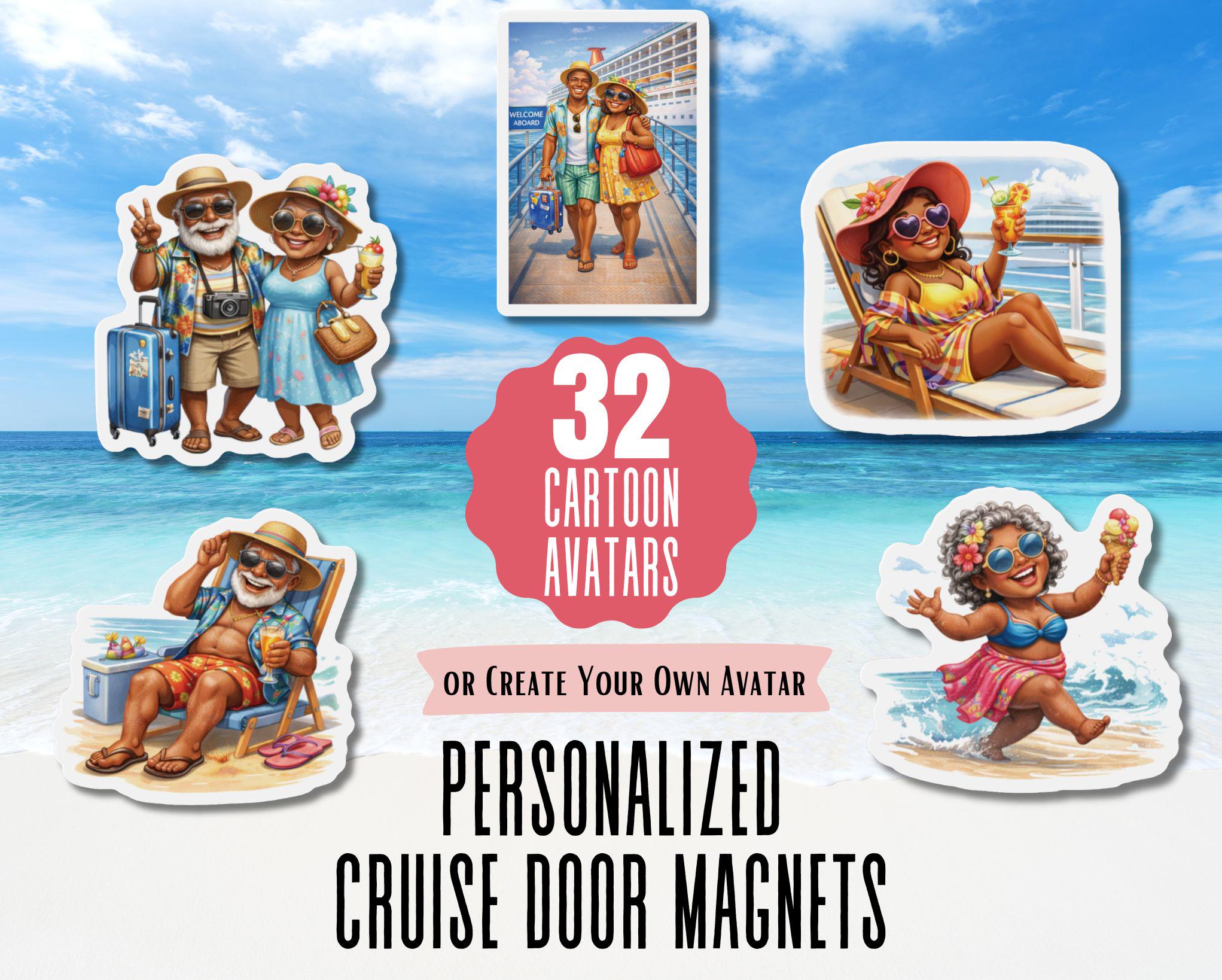
$16.44 · as of Sep 2, 2026
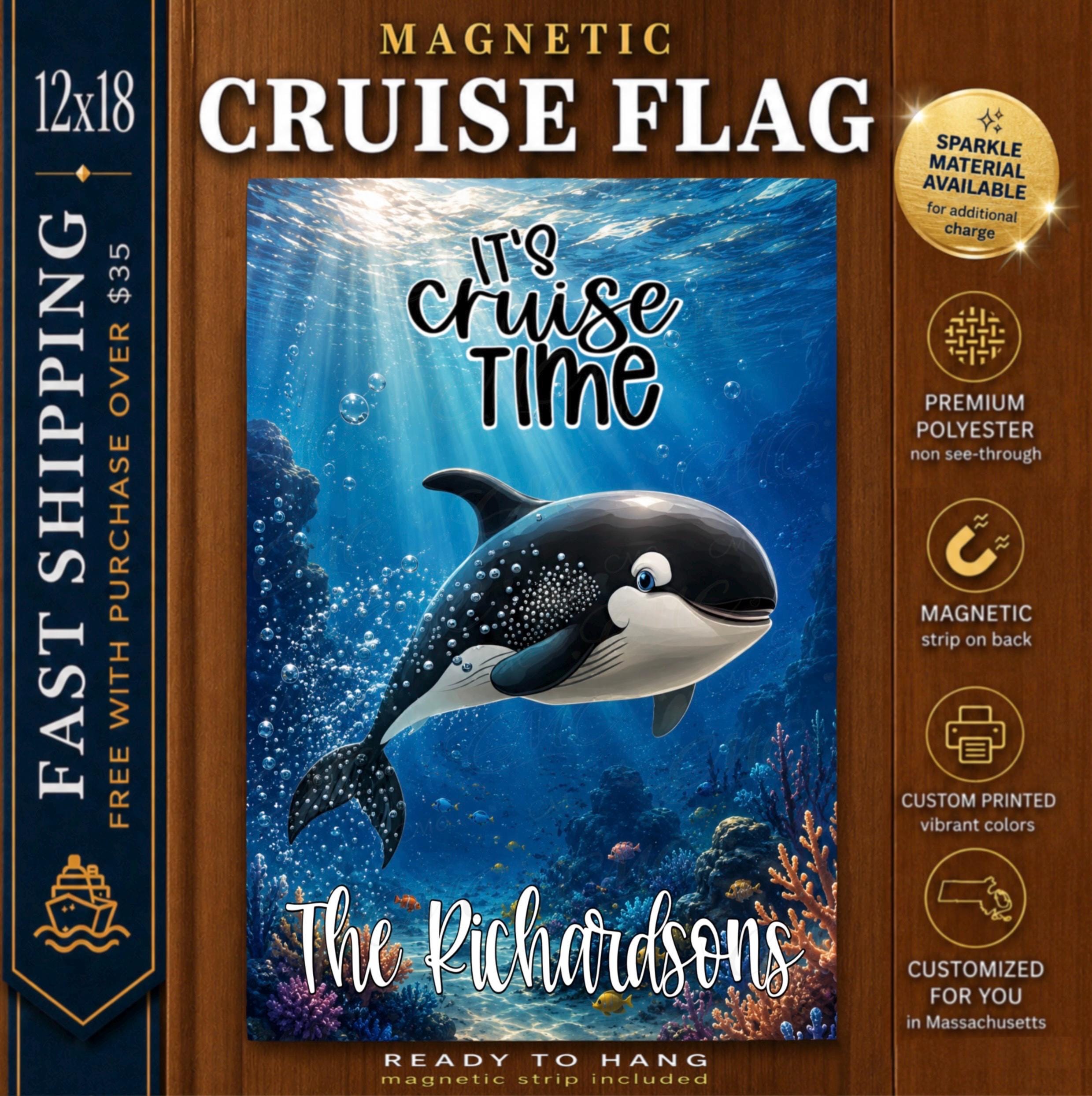
$16.41 · as of Sep 2, 2026
What actually goes on our door, in the order we pack it.
$10.57 · as of Sep 3, 2026
$16.41 · as of Sep 2, 2026
$16.41 · as of Sep 2, 2026
$9.88 · as of Sep 3, 2026
Walk down any hallway on a major cruise ship and you'll notice dozens of cabin doors covered in colorful magnets, banners, and personalized decorations. Cruise door decorating is one of the oldest and most beloved traditions in cruising. The most practical reason is simple — it helps you find your cabin. Cruise ships have hundreds of identical doors lining identical corridors, and after a few cocktails at the pool bar, hallway 7 starts looking a lot like hallway 9. A bright set of magnets acts like a beacon guiding you home.
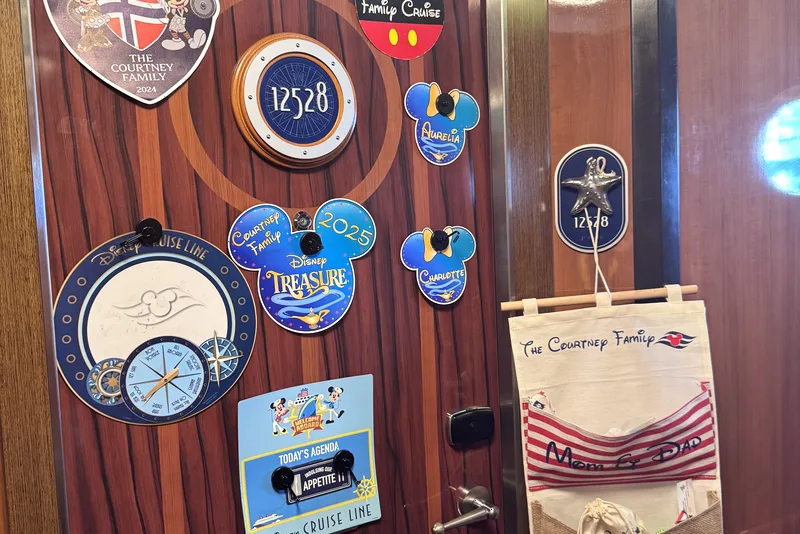
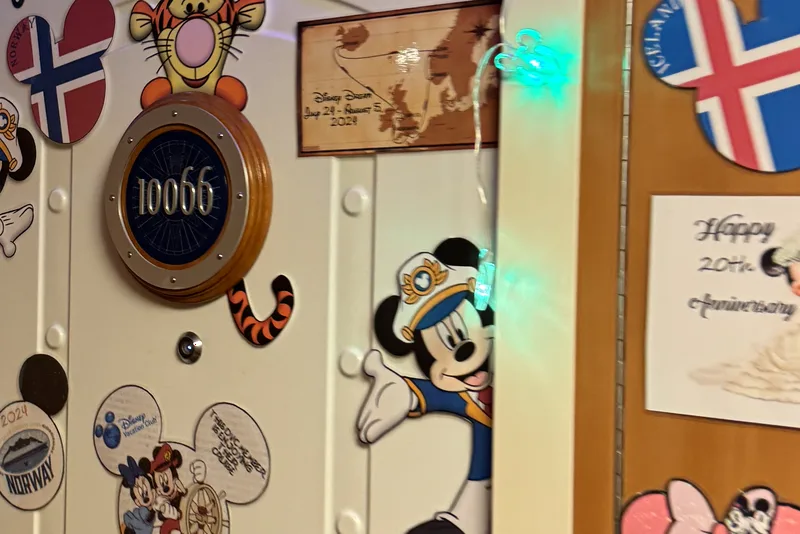
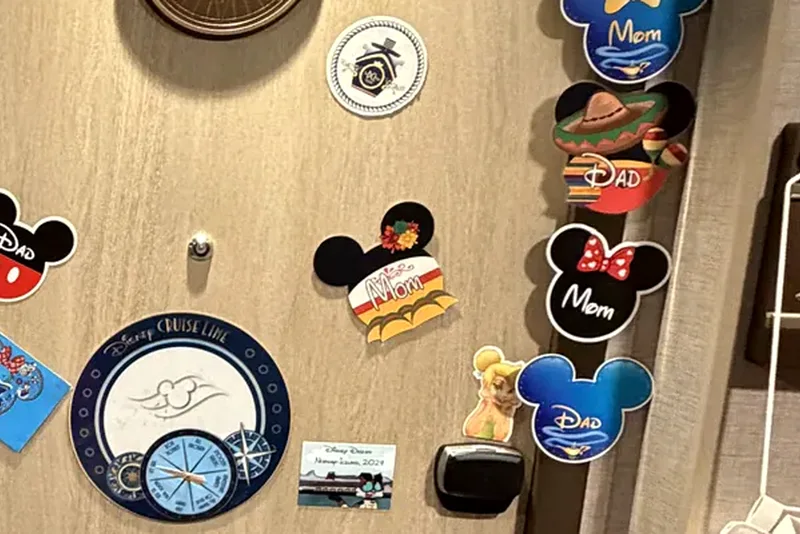
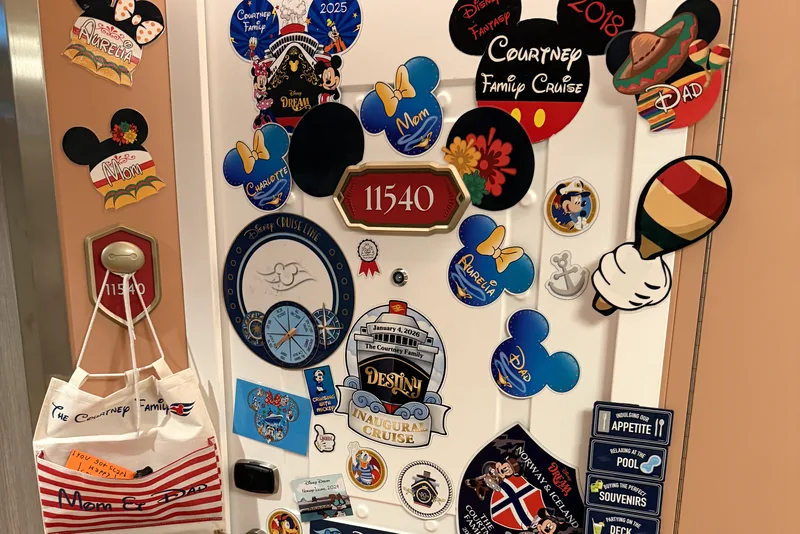
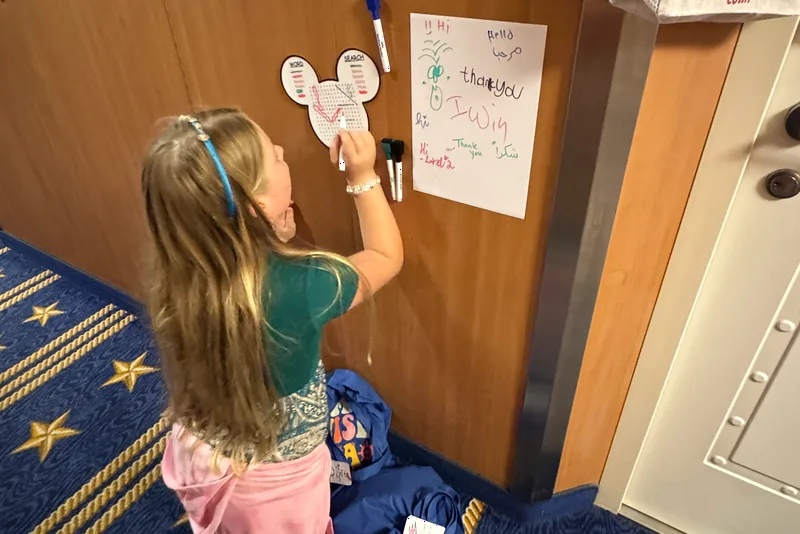
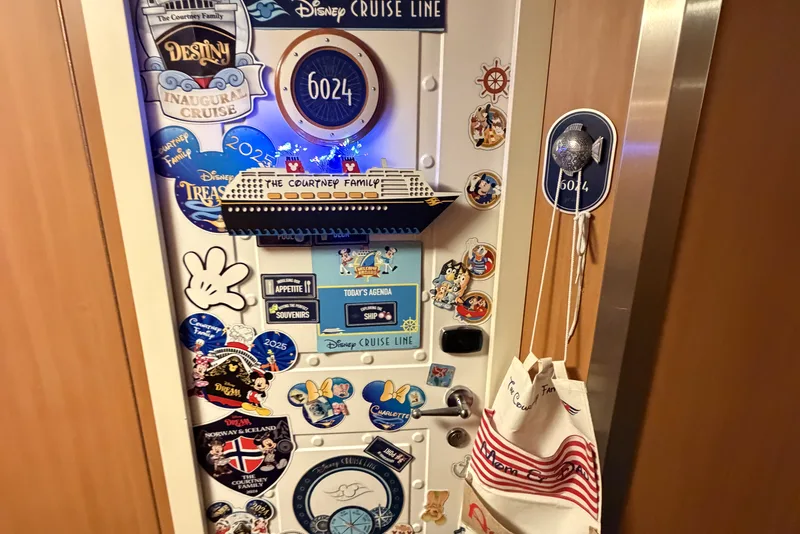
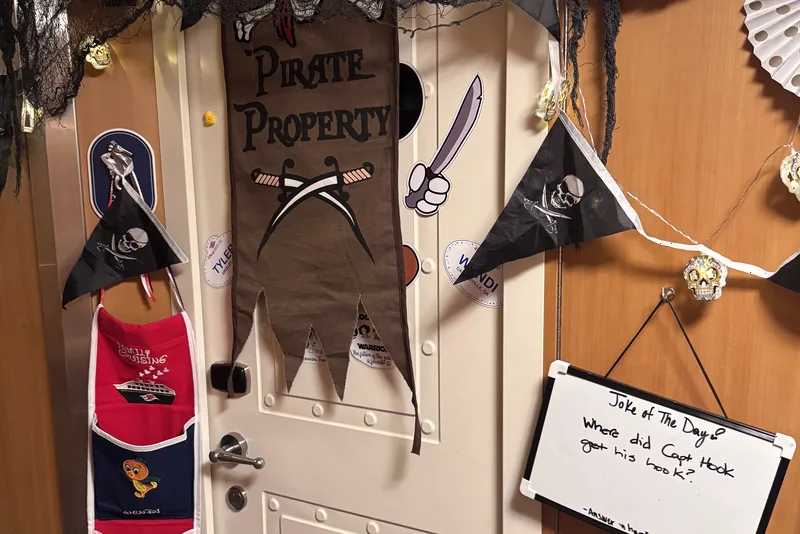
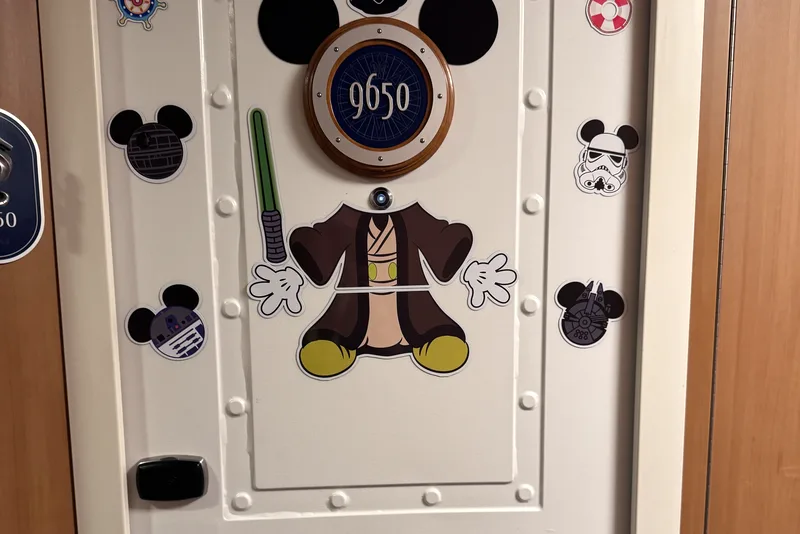
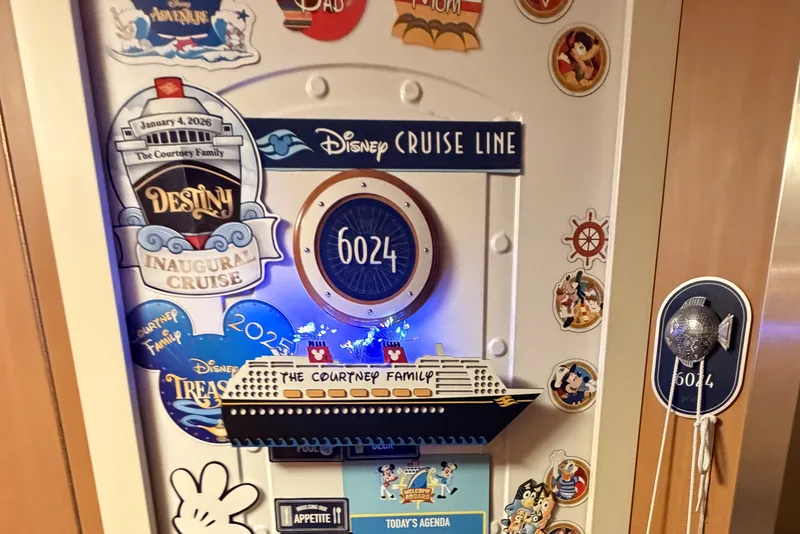
Beyond navigation, door decorating is a way to celebrate. Whether it's a birthday, anniversary, honeymoon, family reunion, or first-ever sailing, your cabin door becomes a public announcement that something special is happening. Strangers will stop and wish you happy birthday. Crew members will notice and sometimes leave surprises. There's also a strong community element — cruise roll call groups often coordinate matching decorations for entire hallways.
Yes — the vast majority of cruise cabin doors on major cruise lines are made of steel and will hold magnets without any issue. This includes Disney Cruise Line, Royal Caribbean, Carnival, Norwegian Cruise Line, MSC Cruises, and Celebrity Cruises. The doors are fire-rated steel, which means a standard flexible magnet will stick firmly and stay put even when the ship is rocking through heavy seas.
The one exception: certain high-end suites may have a wood veneer overlay. This is relatively rare and mostly found on luxury lines or top-tier suite categories. If you're in a standard interior, oceanview, or balcony cabin on any major line, your door will be magnetic.
A standard cruise cabin door is roughly 24 inches wide and 78 inches tall. Leave the peephole unobstructed (safety requirement), don't block the card reader near the handle, and leave clearance for the cabin number. The sweet spot is the upper-center area. Most popular sizes: 8x11 inches for a centerpiece, 4x6 inches for accents, and 3x18 inches for banner strips. A typical setup uses one large centerpiece, two to four accents, and optionally a banner.
Thin flexible magnets (20-30 mil) are most popular because they ship flat, pack easily, and lay flush against the door. Thick magnets (30-60 mil) grip harder but are heavier and take more suitcase space. For most cruisers, thin flexible magnets are the way to go — they look just as good and are far more practical for travel. Always pack them flat between books or in a rigid mailer, never rolled.
Disney Cruise Line is the undisputed champion — the tradition is deeply embedded in Disney cruise culture. Royal Caribbean has a rapidly growing community, especially on mega-ships like Icon of the Seas. Carnival has a strong scene among loyal repeat cruisers. Norwegian and MSC are catching up with more passengers bringing magnets on every sailing.
Etsy is the gold standard for personalized and custom designs. Thousands of sellers offer made-to-order magnets. Check reviews and buyer photos before ordering. Prices range $8–$30 for individual magnets, $25–$60 for complete sets.
Amazon is best for generic, ready-to-ship magnets — especially bulk or last-minute orders with Prime shipping. Less personalization but unbeatable convenience.
No tools, no tape, no complicated setup. Stick them on the door and you're officially part of one of cruising's best traditions.
Some items are not linked yet; links appear only after our trust check.